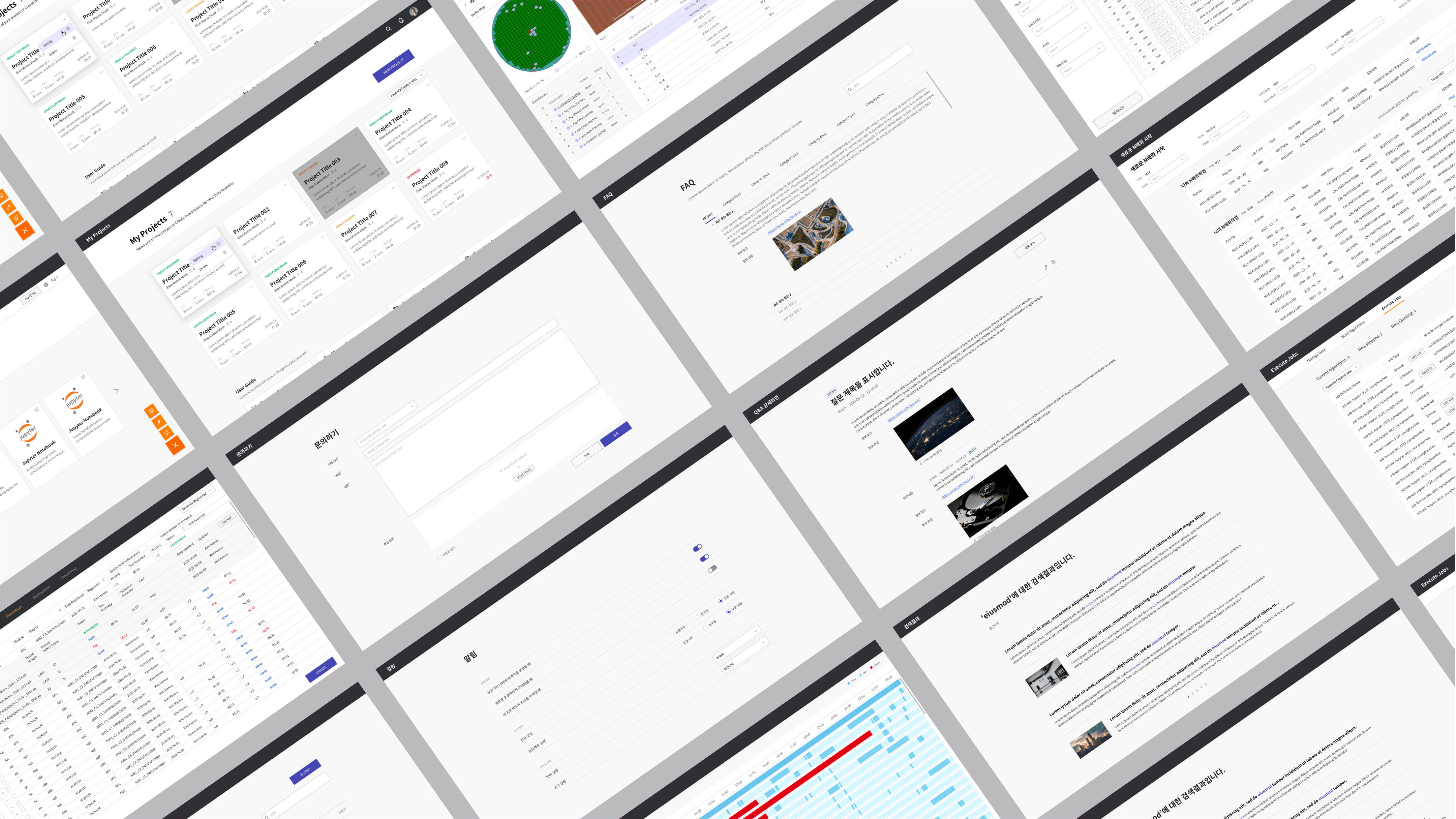
Signal Design System
The Design System at Hynix has been meticulously established to facilitate Digital Transformation (DT) and promote an Agile organizational culture. It is intended to create a universal language and set of standards, integrating individual systems into a cohesive, synergistic whole. This robust, consistent, and organized system not only enhances operational efficiency but also sets the stage for business expansion.
Kwon Youngae, Hwang Jinah, Lee Jinho,
Lee Euntaek, Kim Jungyu, Sim Yugyeong, Kim Taehee,
Kim Hyangae, Kang Bumin, Ahn Dayoung, Park Hyungil, Yoon Seonghyeon, Choi Yongsoo,
Han Suyeon, Lee Sanghyo, Shin Sangseob,
Jang Yujin, Kim Heetaek, Kim Youngkyung

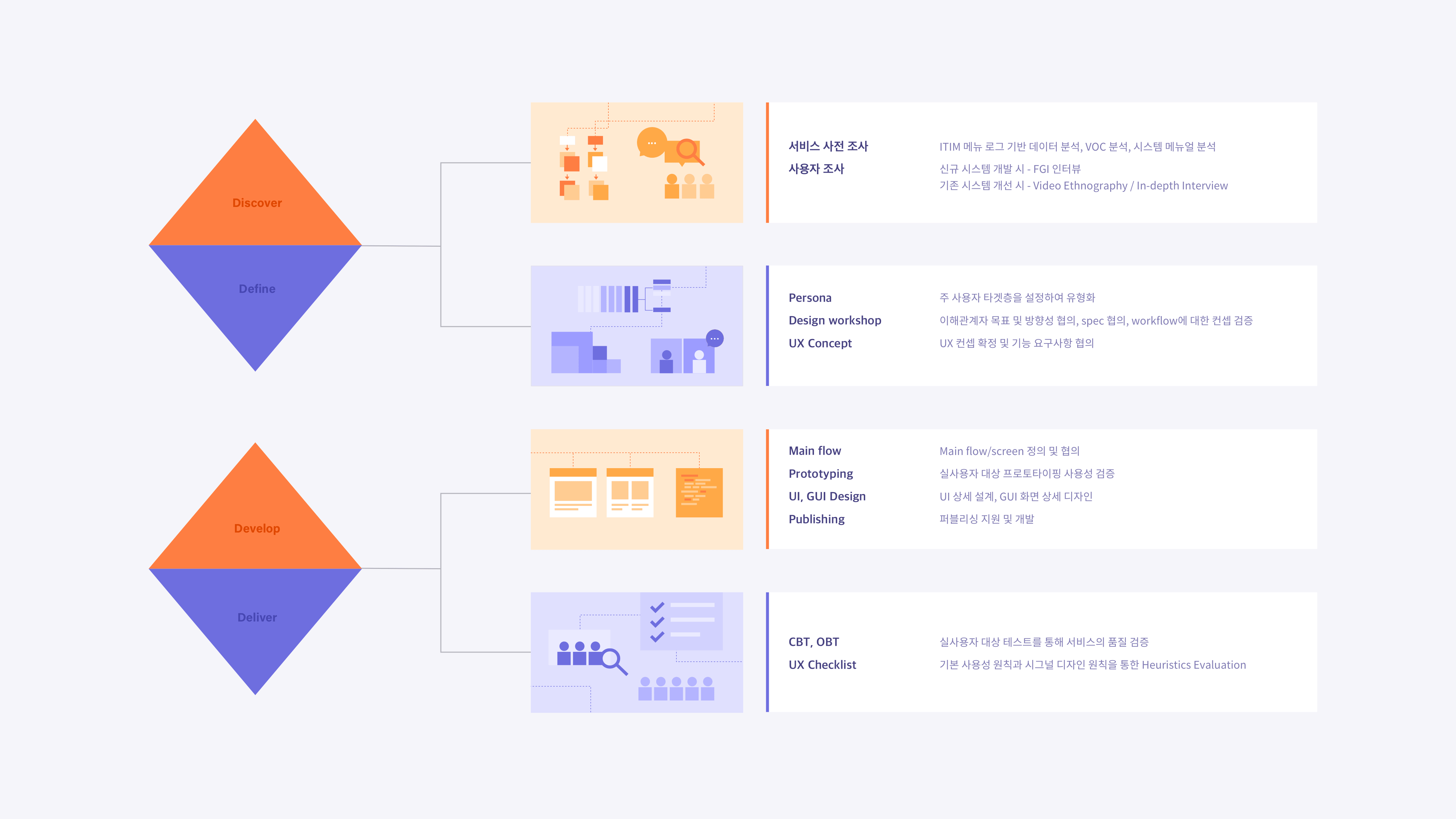
Signal Process
The operational framework of the Signal Design System is rooted in a structure that balances divergence and convergence. It propels collaboration across field, planning, and development teams by implementing a comprehensive, progressive process, which includes identifying user needs through user research, establishing UX Concepts, and making iterative improvements through UI Design and usability tests.

Design Principle
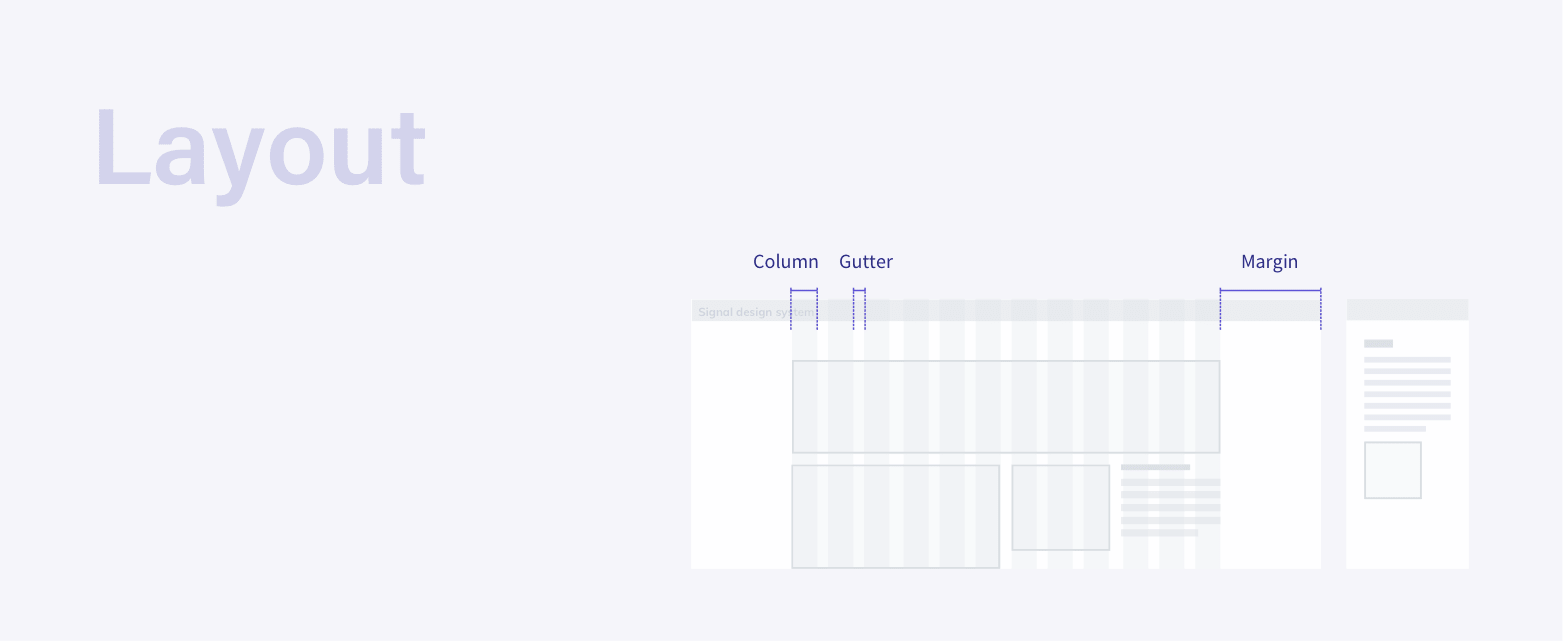
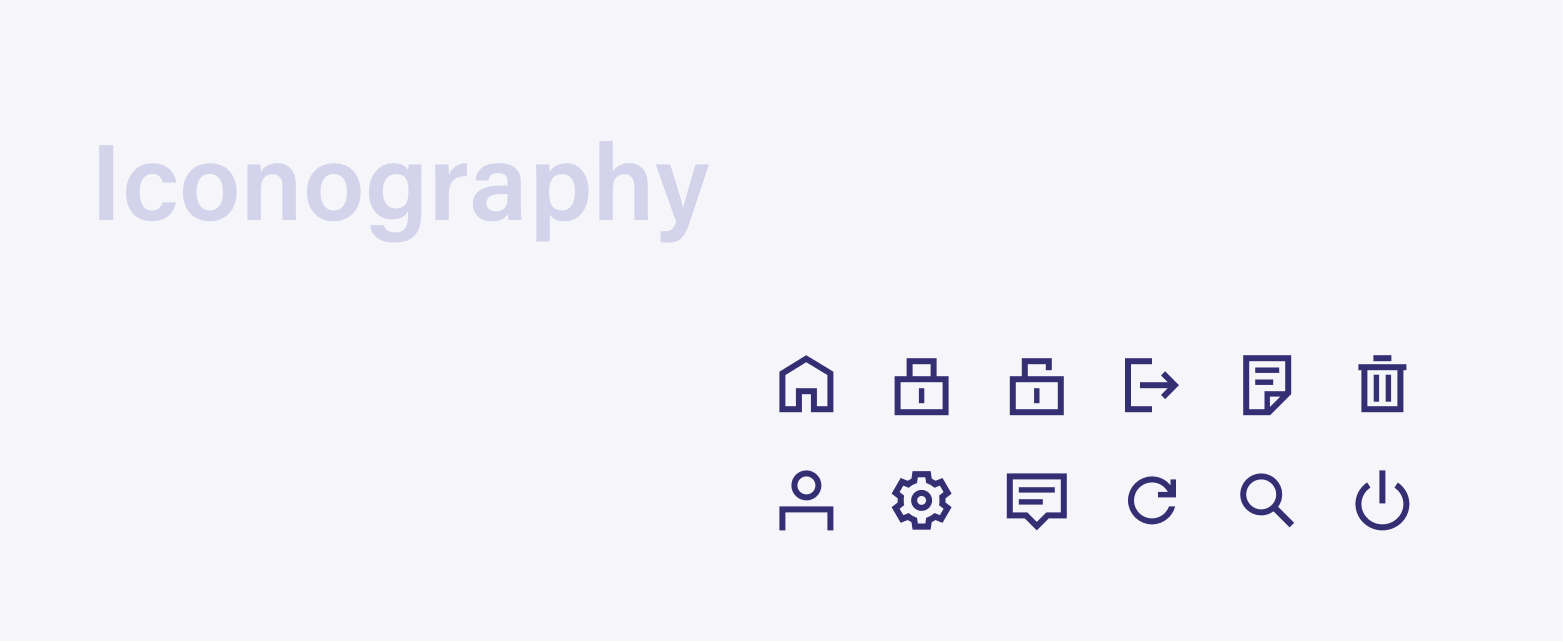
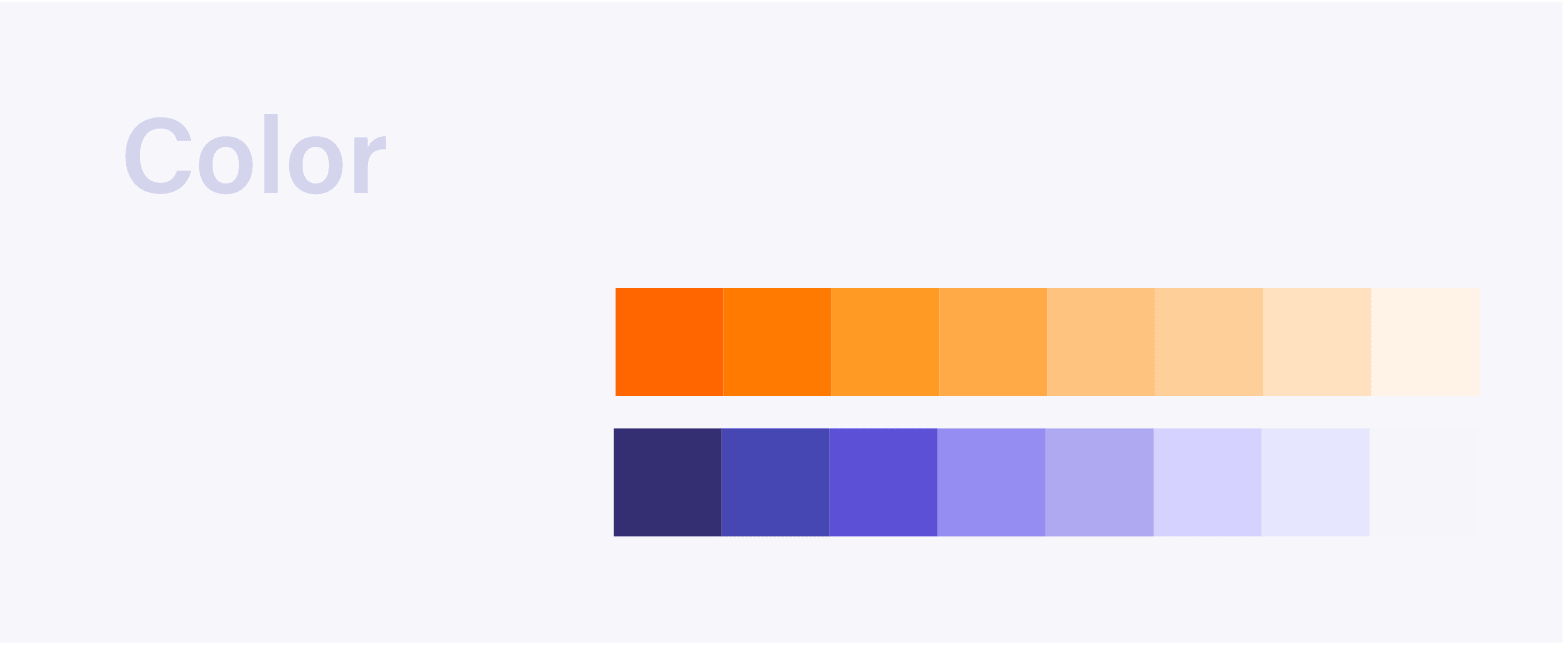
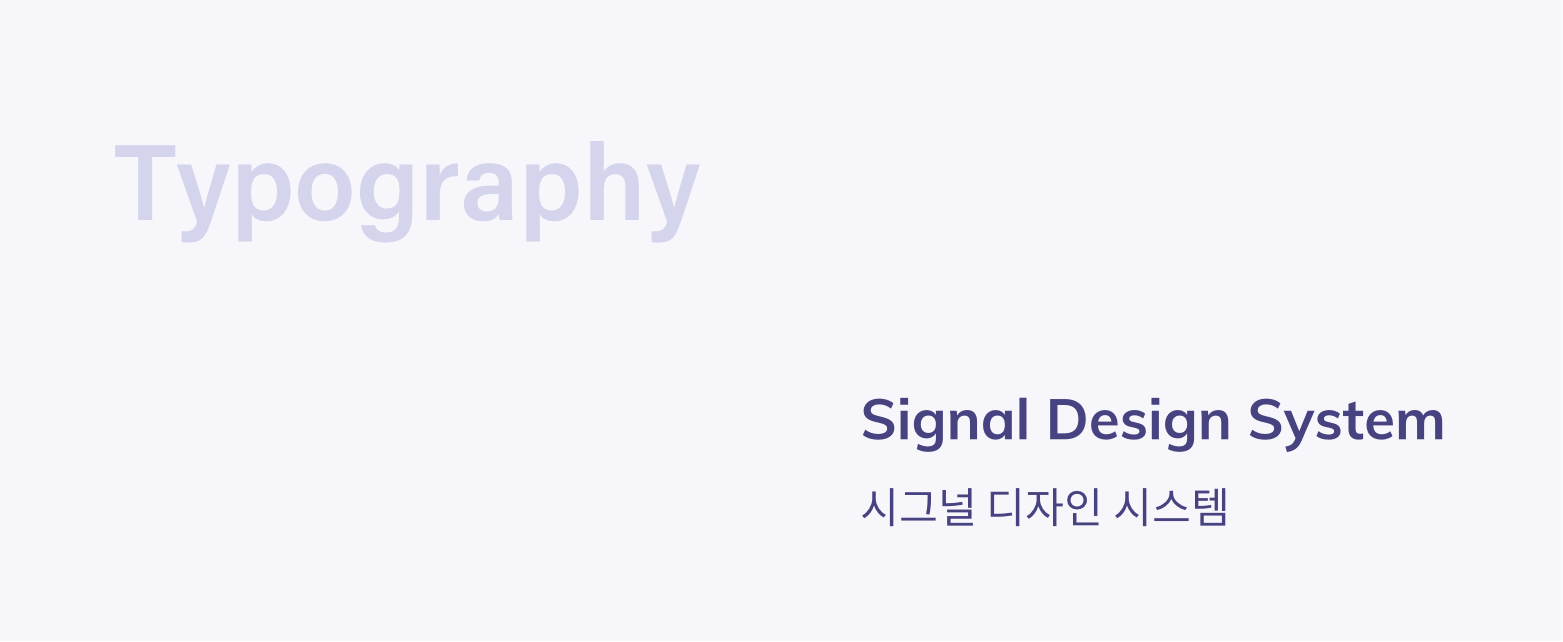
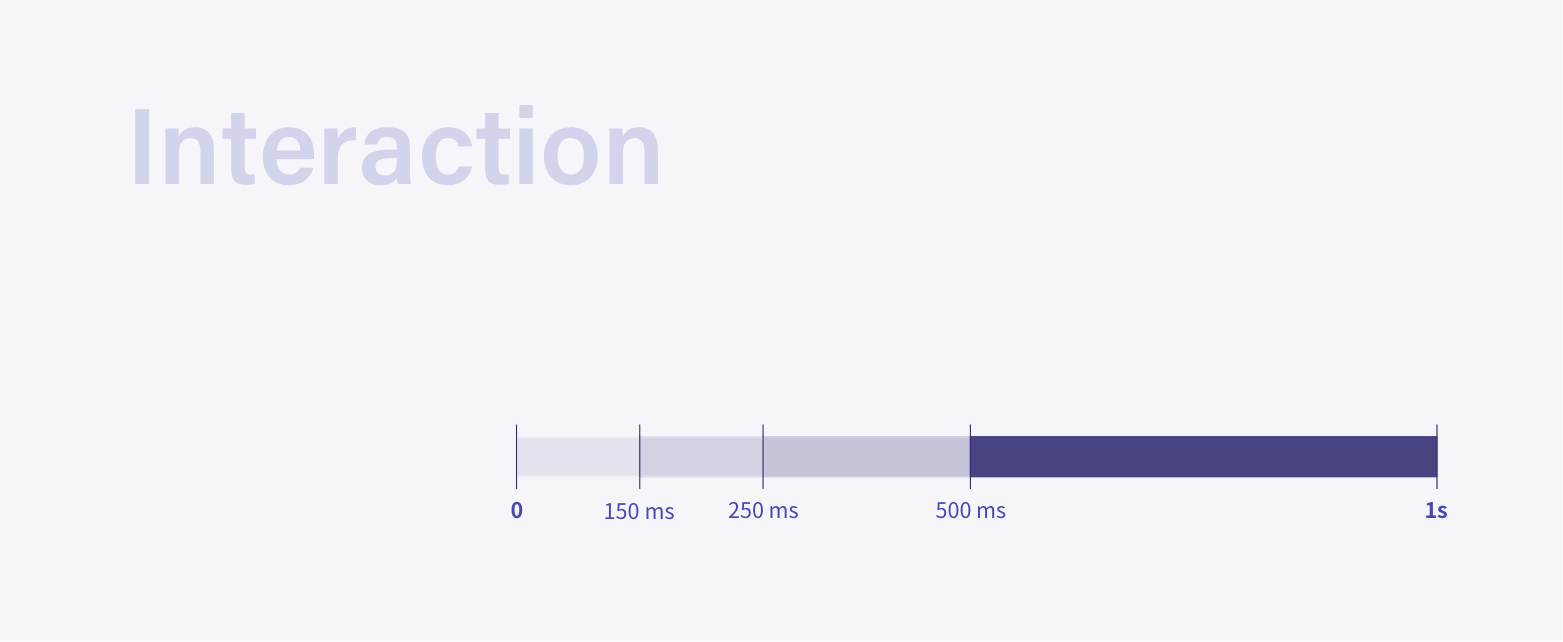
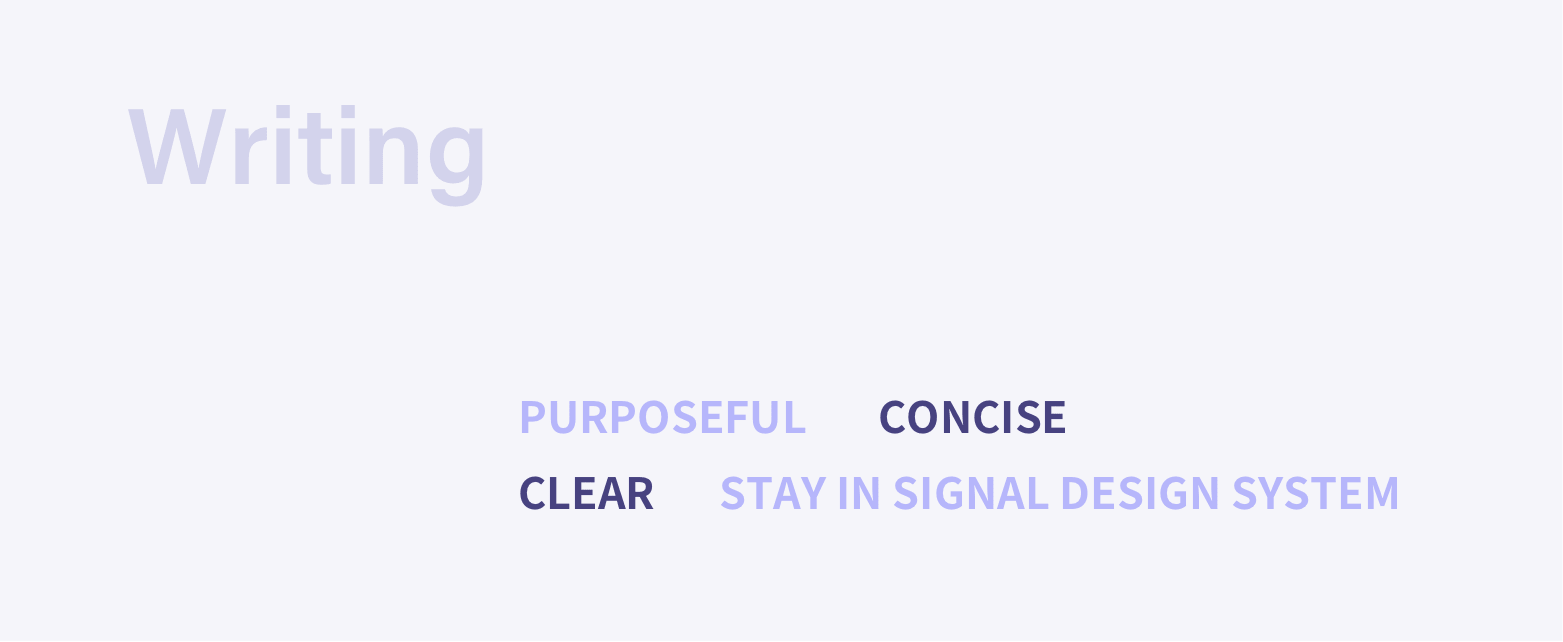
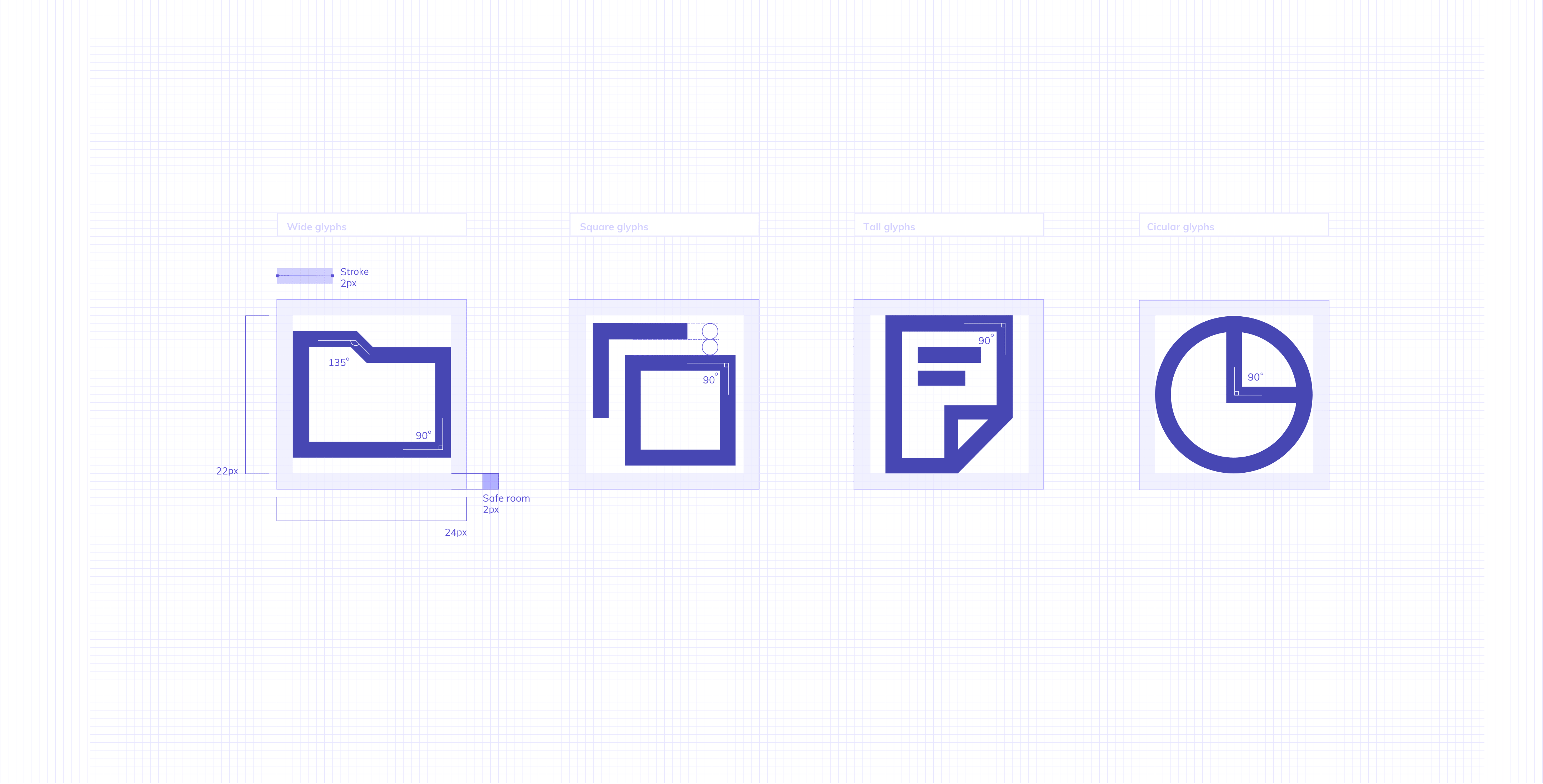
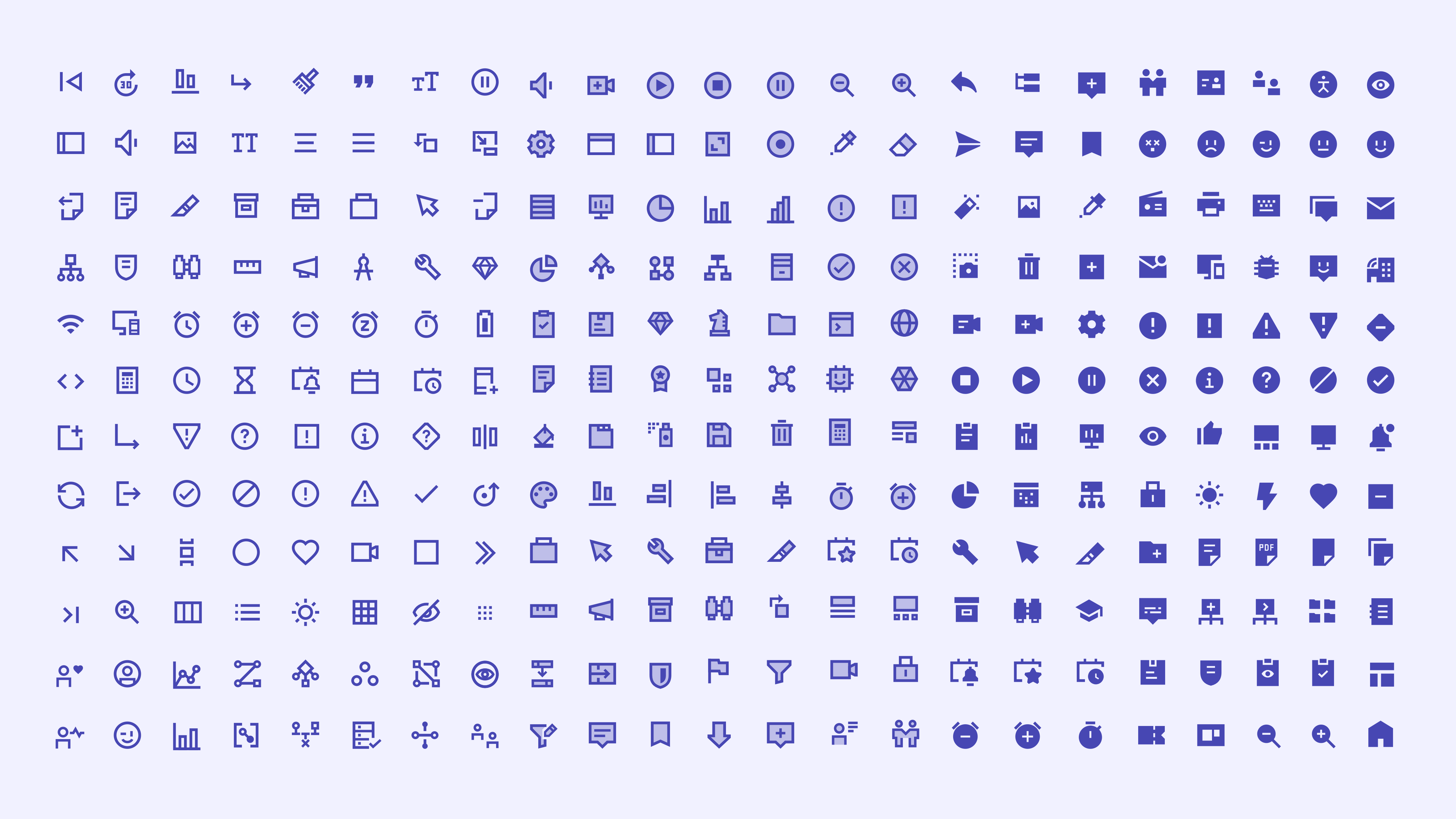
Our Design System encapsulates Hynix’s proprietary UX/UI Standard rules about various elements including Logo, Layout, Iconography, Imagery, Color, Typography, Interaction, and Writing. This framework effectively provides a roadmap for operational tasks.
UI Components
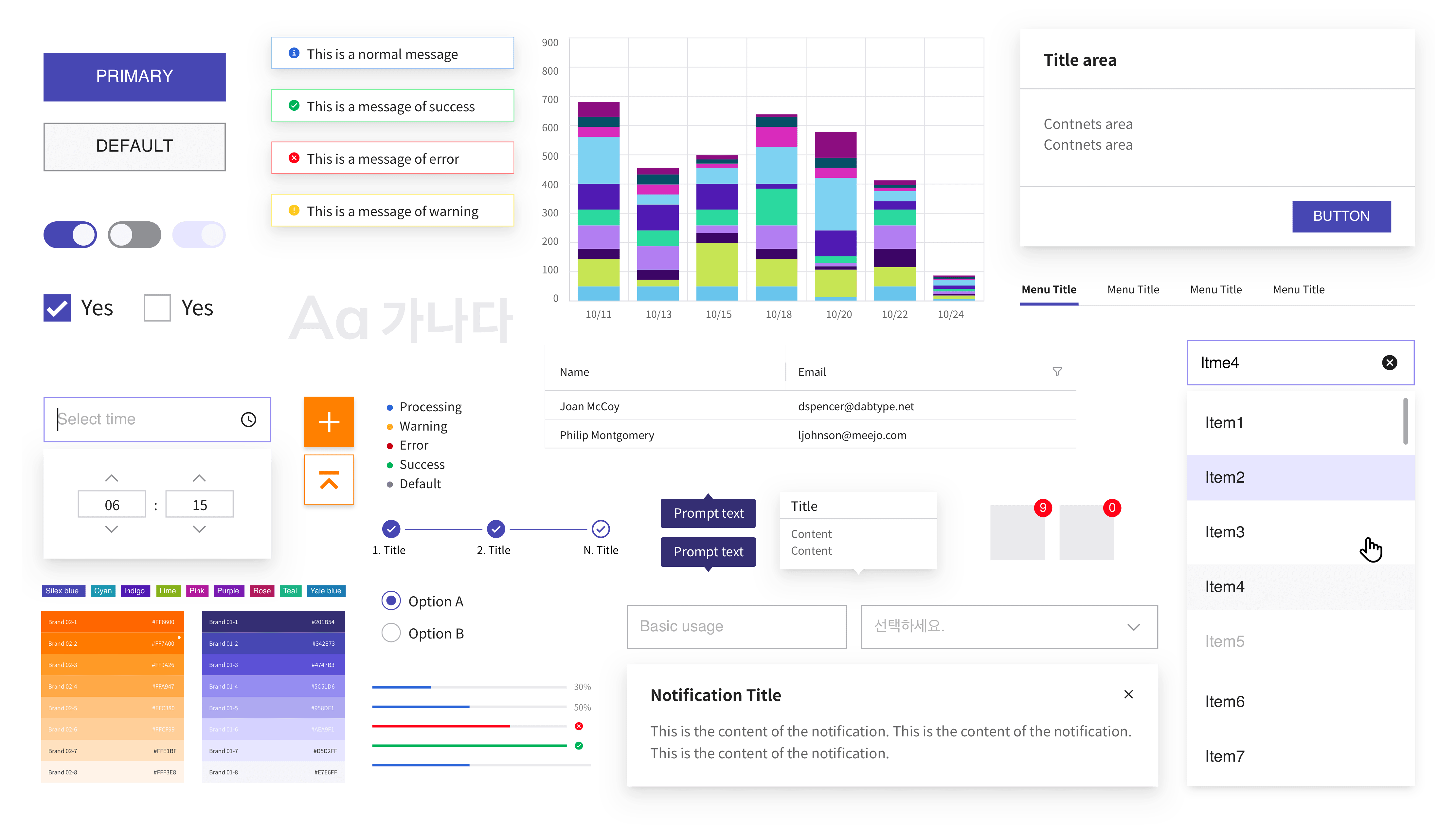
By identifying and refining repetitive patterns across various screens, we have significantly enhanced usability, mitigating inefficiencies and user inconvenience, while also clearly defining the specifications and usage cases for each component. With the inclusion of code information implemented in themed demo screens, we facilitate seamless communication across planning, design, and development stages using a unified language.
12 Columns Grid
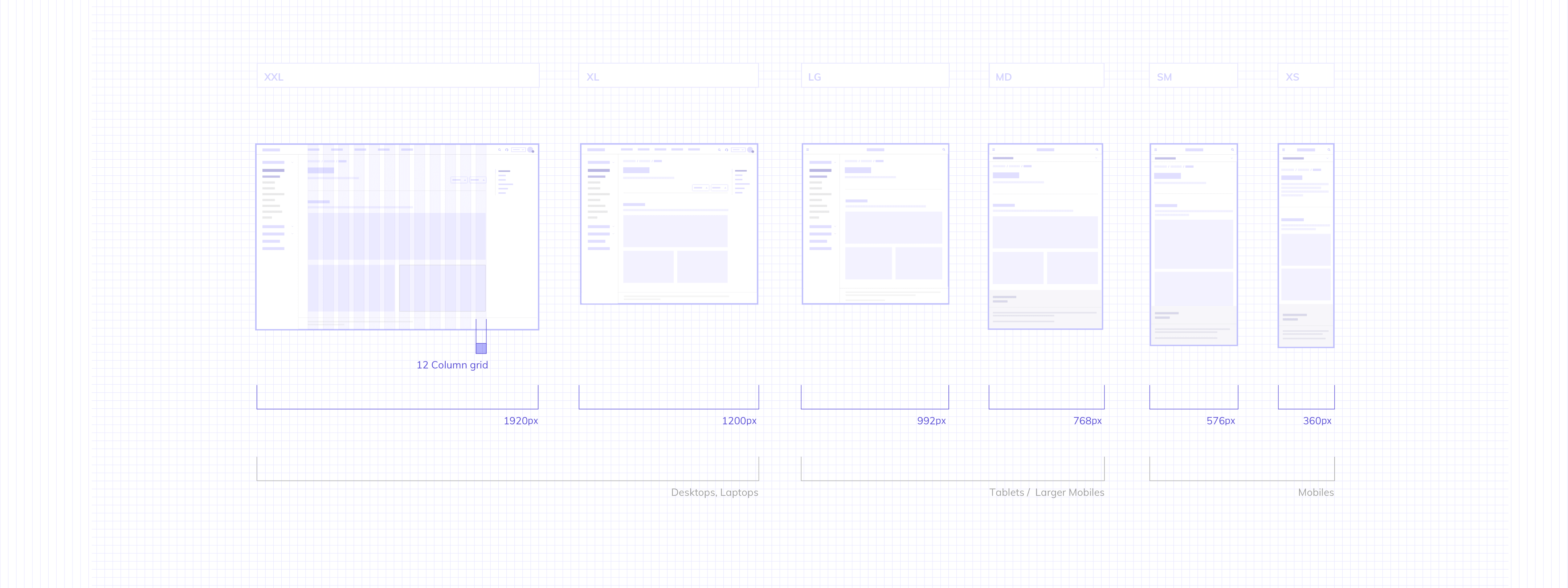
We’ve implemented a responsive 12-column grid, mindful of various viewport environments, to ensure optimal usability across diverse settings, thereby simplifying content and facilitating the effortless construction of web services.
Contents Management System
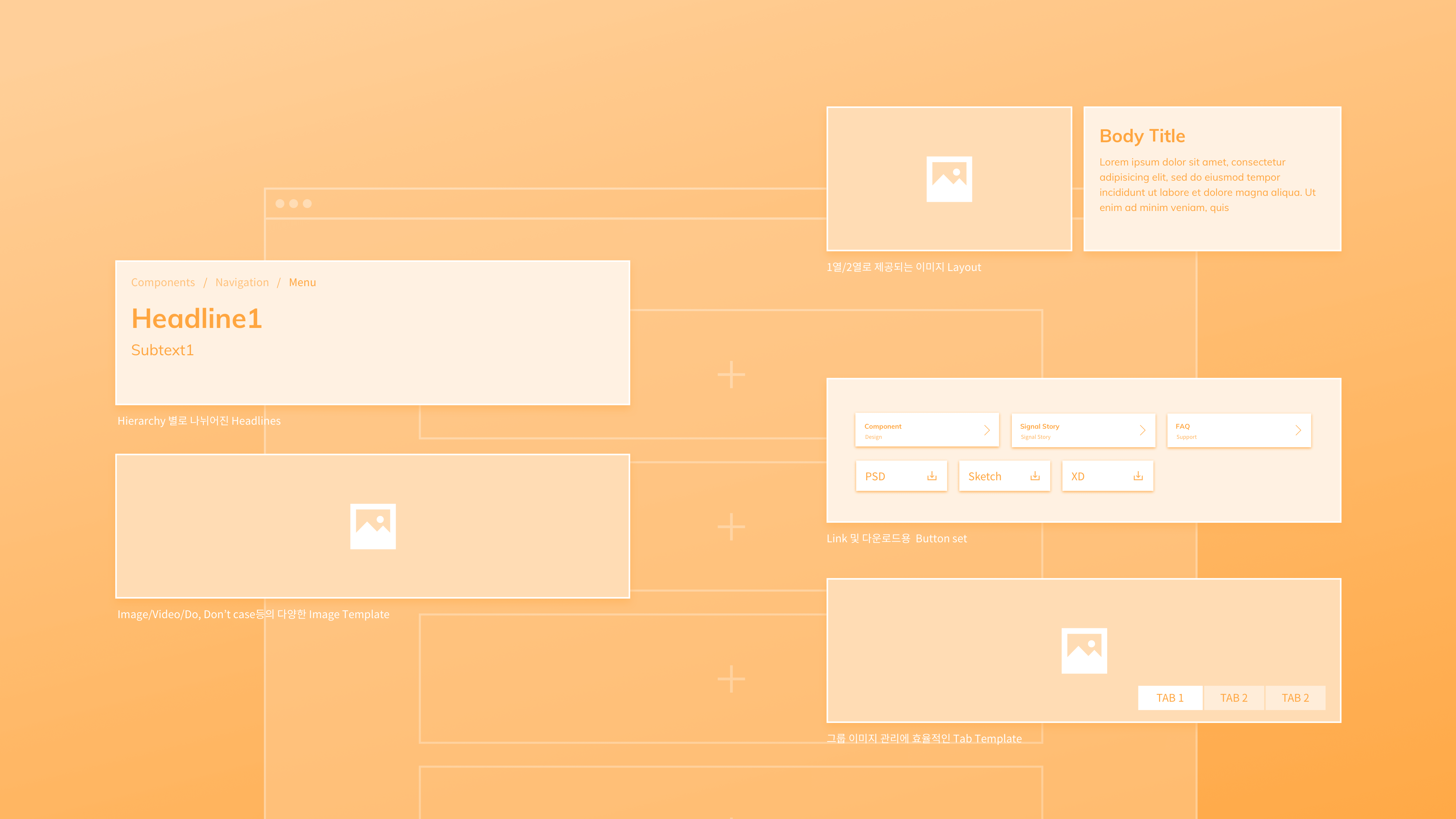
With a focus on the organic update and scalability of the Design system, we have enabled straightforward content management via the CMS. Users can create a variety of layouts using the provided templates, and offer diverse content, including images, videos, links, files, and more.
Task Optimized Theme Pages
Our Design System offers a diverse range of theme pages tailored to three business environments: Marketing, Supporting, and Production. Users can effortlessly utilize and repurpose parts of the Framework as needed.